Memory 6


For two weeks you have been teaching the freshmen about Hitler and the Holocaust. Your whole life, or at least since first grade, you have known about these things because your dad had a deep interest in them. You are certain that, in some alternate universe, he became a professor of them. In this one, he just read many books.

You first heard of Adolf Hitler because Dad was reading a thick paperback biography with a white cover. The title might have been something so original as Hitler. You can still see it in your mind, the spine creased and beaten, sitting on an end table, on a shelf. (Was that the book that your youngest brother, maybe two years old at the time, tossed into the creek on a vacation in Colorado and you all had to fish it out and dry it on the generator of the camper you were borrowing from your grandparents?) It was a big book to your little kid eyes, and you asked who the funny man on the cover was. Dad answered you pretty honestly, telling you all about the evil man who made speeches and tried to take over Europe and kill millions of Jews. That may also have been how you, living in the seemingly uniformly Catholic New Orleans, learned about Jews. (But that’s all part of another story.)

Teaching about this part of history now, nearly six months to the day since his death has perhaps contributed to your deep, existential funk. You want to talk with him about the rise of the Third Reich and World War II, ask him questions about details and events. The worst came yesterday when you got to the war and the Battle of Britain. You had to take a moment because the memory came back to you so viscerally it might well have been a vision.

Your ninth grade history teacher was the worst of the worst sort of stereotype of the Texas football coach teaching history. Your high school’s architecture was a product of some late-1960s or early-1970s idea that allowed neither windows nor walls. Your history classroom had one of the only windows in a classroom in the whole building, and the window looked out over the football field. The coach assigned to babysit the class positioned his desk at a right angle to the window so that he could look out onto the varsity team’s practice while also seeming to oversee the classroom. Meanwhile, his captives copied the terms he wrote on the blackboard and found their definitions in the textbook.

Yes, this asshole was probably the reason that other assholes came up with No Child Left Behind within the decade, thus leaving all the childs behind. But you digress.

Anyway, during that semester your family went to Chuck E. Cheese for your younger brother’s birthday. All through pizza, you bitched about this horrid method of teaching history and how your class had reached World War II, which should be so exciting but the dumbfuck coach just sat there watching the team practice. Well, the absence of proper instruction on World War II had your dad worried and got him talking. Your mom took your brothers to play the arcade games, which she, truth be told, wanted to play, too; and you and your dad kept up this conversation about history. Not about the crap teacher, but about the subject. Of that shitastic semester, that shitastic class, that awful semester, this is the shining gem of a memory.

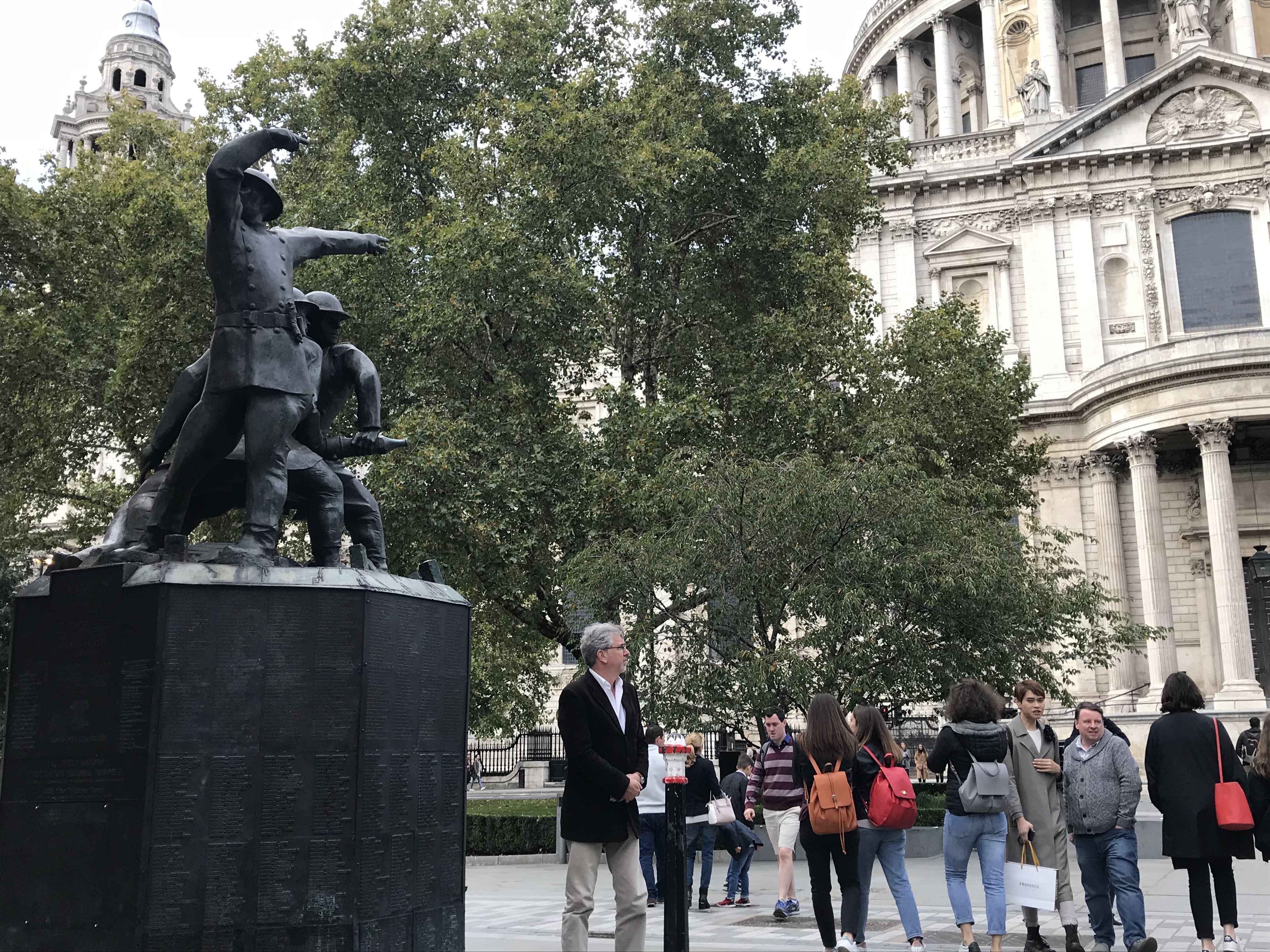
You and dad sat in that booth and he told you the story of the Battle of Britain. He told you about the Luftwaffe Messerschmidts launching attacks on England. He told you about the brave RAF pilots in their Spitfires who fought them off at all hours. He told you how those English pilots had so little sleep, how weary they became. He told you how a fog came up over the channel one night and gave them a much needed respite. He told you how that rest allowed them to come back hard. He told you how they repulsed the Luftwaffe and force the Nazi to back off and give up the plan to invade. His admiration and awe at those pilots still shimmers around him, in his voice, in your memory of that evening. He transfixed you with that story.

You feel a warm, molten ball of love move from your chest out toward him, for being wholly himself right there and then. Just him, a person nerding out over the thing that he adores and sharing it with a willing audience.
Memory 5

He called you “Pink” because, when you were born, you were pink. Also, pink is for girls. So, a tiny pink-colored, little girl could only be “Pink.”

Then you grew, all gangly legs, as some girls do. “Like a pony,” he said. So, you became the “Pink Pony.”

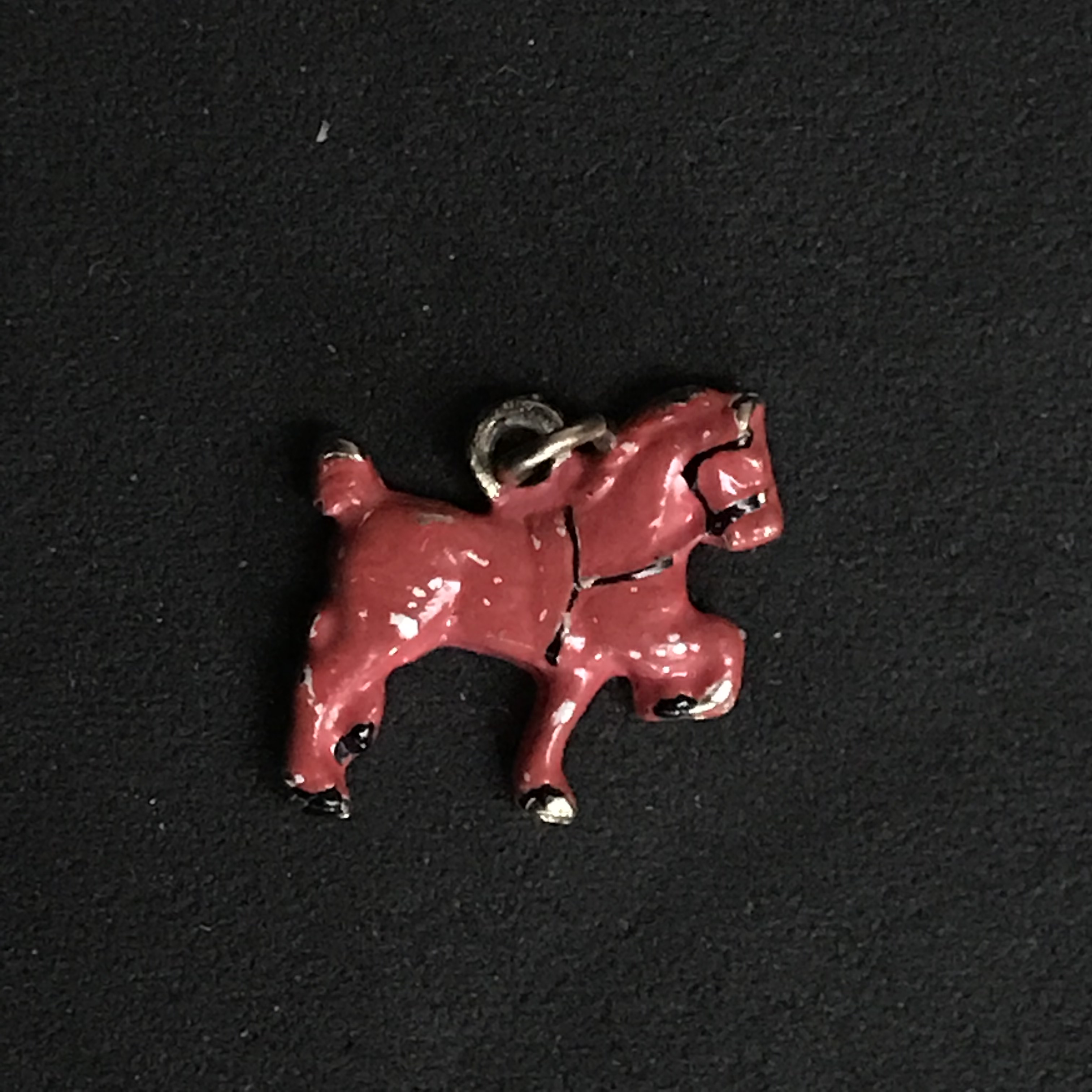
One Easter, the Easter Bunny left a little present in your basket along with the candy: a pony pendant painted pink. “For me!” You were — what? — seven or eight, if that old. You didn’t question the manufacturing of a pendant pony painted pink. How many years, decades, passed before you realized that he had painted the pendant, complete with black bridle and hooves so that it wouldn’t look like it had been dipped in the bottle?

Pink was your color into your twenties because of him. You didn’t question any critique of pink from any source, be they misogynist or feminist. It was your color, given to you by him. Then, in your late twenties and early thirties, you rejected it. Not as feminine, but as childish, binding you to a helplessness, an inability to find your own power (but we won’t go down that way, not now, not here).

The rock singer Pink, perhaps, brought you back to it. Her badass attitude and, in the VH-1-behind-the-music-style interviews with her and her family, her push-and-pull relationship with her father gave you a new way to think about the color. You embraced it again; and as you grew older, pink became a sign of happiness, of joy, of rebirth, and of power because you didn’t have to worry about things like that anymore.

When he was in ICU, you wore pink every single day. Every day a shirt, a scarf: you wore something pink for him so he would know that the tiny, pink-colored little girl, now a big, gray, aging older woman, knew that he loved her. She could remember that he painted a tiny pony pendant pink just for her and she loved him, too.

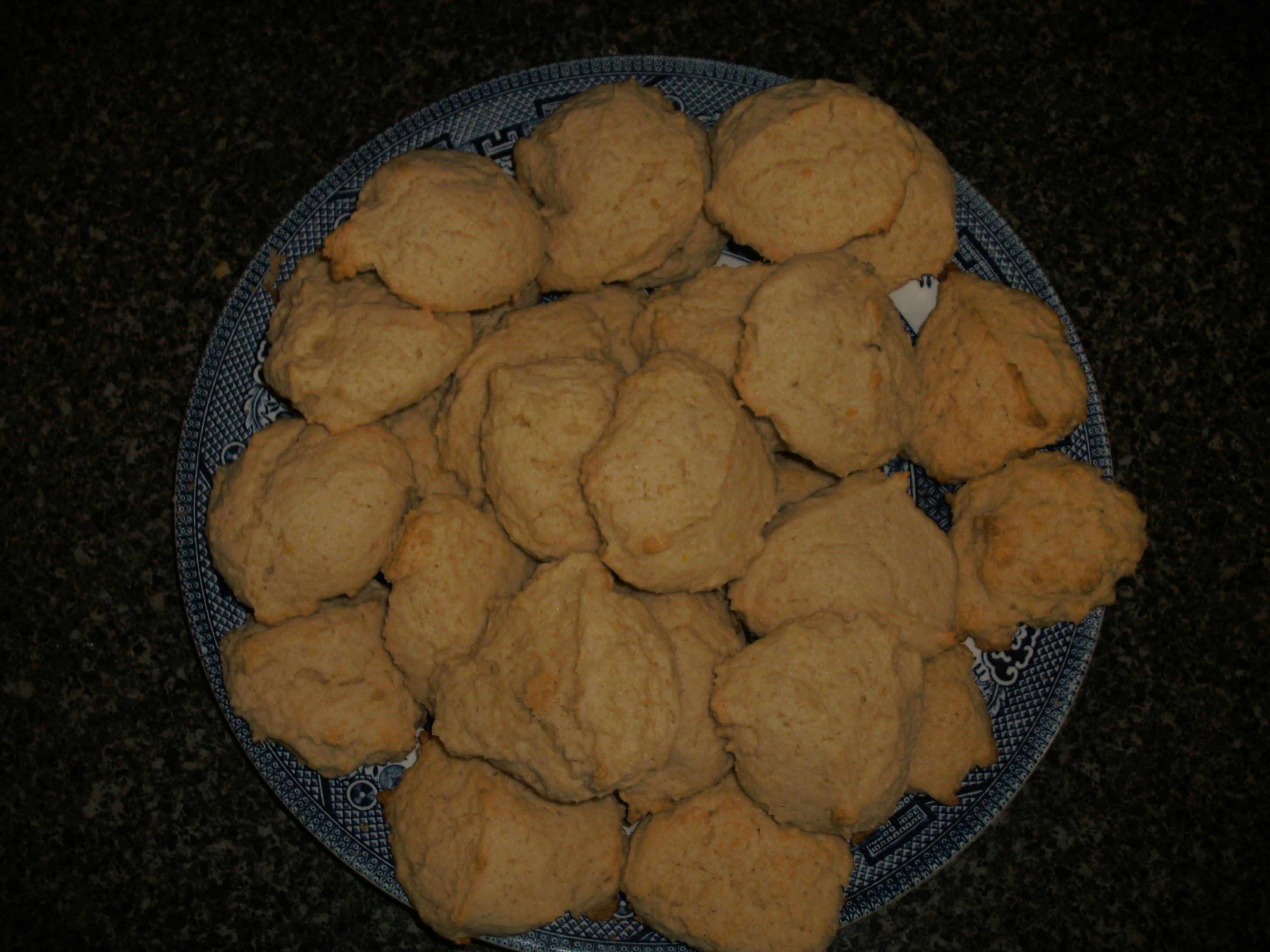
What? So you want a cookie?


On the one hand, you are happy to be recognized. Thank you for noticing that we have all been spending years doing this intellectual work. Work that has been recognized by other institutions, by other organizations, by other scholars and in public venues. Work that has been awarded prizes. Thank you for finally pointing it out to accepted students and their parents.

On the other, you want to say, “do you actually want a cookie for that?” You want to shout, “That’s what you are supposed to do, goddamnit!” You want to tear your hair in frustration, asking, “Is this the first time you’ve done this in all the time that you’ve held administrative positions? Did you do this because your speechwriter included it? Why isn’t the intellectual work of faculty integral to the marketing of the damn college?”

Instead, you arrange your mouth into something resembling a smile, nod, and say, “thank you, that was kind,” then ignore the self-congratulatory e-mail because, while you might could refrain from profanity now, you certainly couldn’t refrain from sarcasm in your response.

Ultimately, you wonder what you yourself, as a historian and a history professor, are for.

Memory 4

r

Five o’clock and the front door opened. In he came, home from work, black briefcase in hand. You all dashed across the room, “Daddy’s home!” to cling to his arms and legs like little primates. “Did you bring me any candy?”

Was he wearing the trenchcoat you adopted for your own winter coat in college? Did he wear a hat? Somehow a hat, tweed, with a tiny feather in the band and a narrow brim, sits somewhere in your memory, maybe from an earlier year and his trips for the Navy through the very northern mid-west.

From his pocket or that mid-century briefcase, hard, square, silver clasps that popped up, his last name embossed in white on a black plastic plate (a briefcase that still sits in his bedroom), he brought out mints or gum, whatever he had left over from what he picked up at lunch.

Ah, the joy! Daddy home, a treat, the evening, a new part of the day! How many times did this scene repeat? You feel as if it took place everyday, but for how long? Two days in a row? A week? A season? Intermittently? Children have no sense of time. He always brought a little something from a trip, the left-over mints, an empty airplane-sized bottle of Jack, a funny little pewter monkey from the airplane gift shop whose goofy expression he said reminded you of you, a story about people or things he saw.

Memory 3

Just a snapshot from the 1970s. The youngest brother a mere infant. You in your bedroom, its open door at a right angle to the baby’s room, both at a the end of the hall. Dad carries him past your door, the tiny baby head cupped in his palm, the baby body extended along Dad’s forearm as if it were the branch of a tree. Dad had said he could do that, and you didn’t believe the baby would be small enough nor Dad’s arm large enough. Yet, there they are, casually headed to Mom in the baby’s room for a diaper change.

Memory 2


This is probably the very first memory, so far back that you had to relay it to someone else decades later and ask what it meant.

A room of babies. Grandparents in a hall hold you up to a window to look in the room. They point. One of the babies has some vague connection to you, you sense. Then a stir. Everyone turns. Down the hall, around the corner, he comes, in dark pants, toes turned out. You are glad. You know you have a connection to him. A cheer goes up, or some similar congratulatory sound. He raises his arm and waves as everyone rushes toward each other.

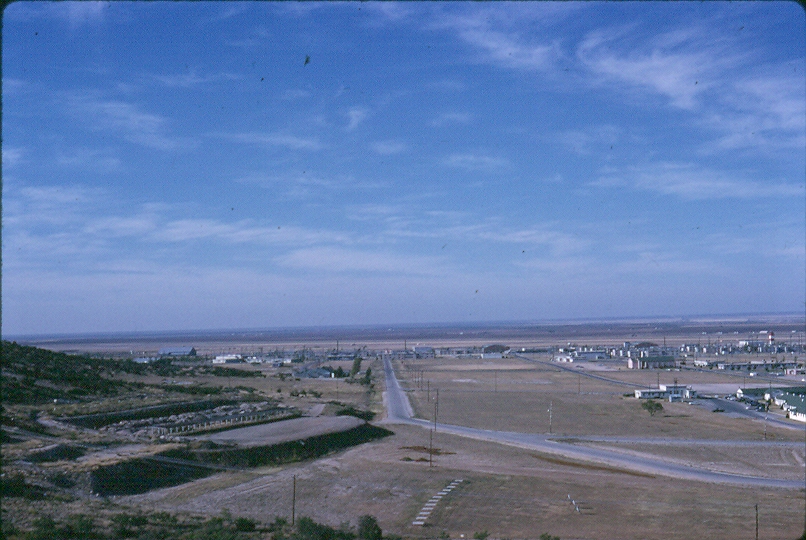
Picture:
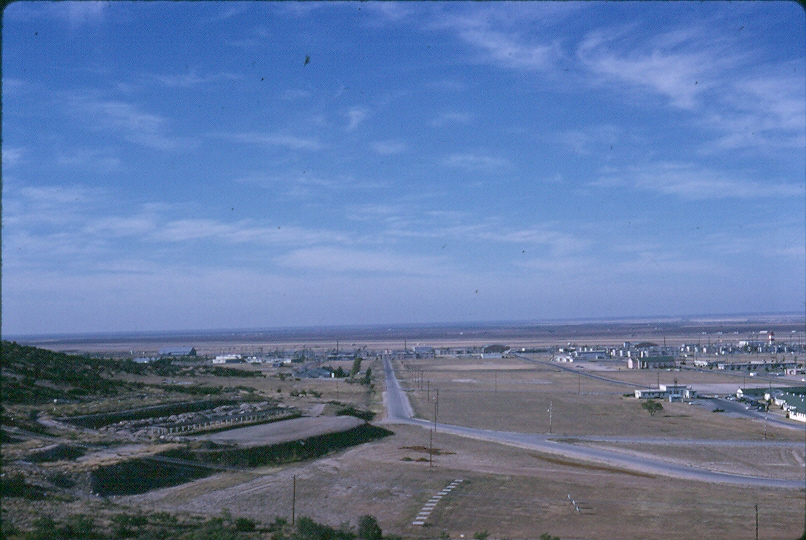
Webb AFB, 1962 (seven years before the events of this post)

The Bottomless Pit

Too much has to do with loss and sadness, but not who and what was lost. The fugue of anger and sadness with a brief respite in January before the fugue began another crescendo leaves you exhausted deep in your brain. You don’t want to feel this anymore but you fear that not feeling this anymore will betray him. He will really be gone; and gone has become such an achingly gigantic word.

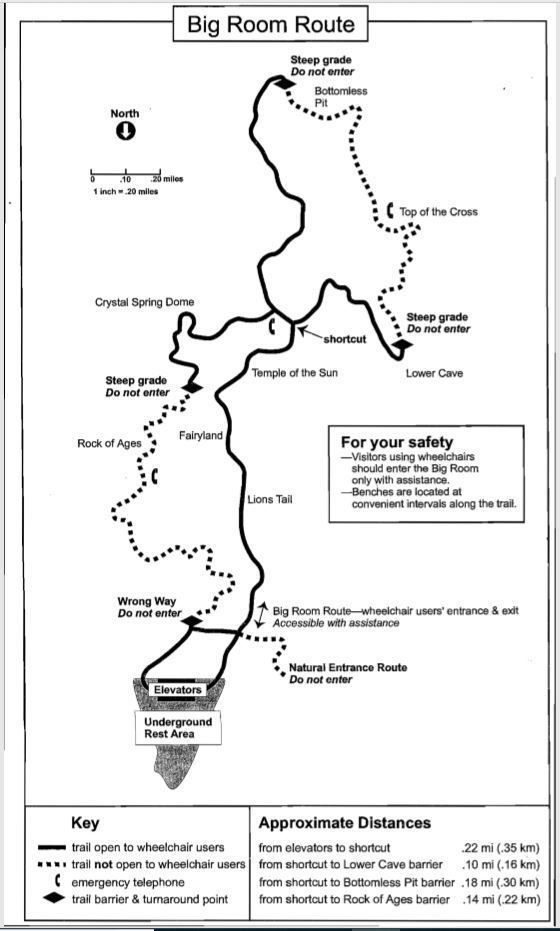
When you were perhaps ten or eleven, the family went on vacation to Carlsbad Cavern. The map of the caves featured a “bottomless pit,” which fascinated you to no end. You couldn’t wait to see it. When you reach the Bottomless Pit, the big, dark, unfathomable endlessness of it — despite knowing that it did, in fact, have a bottom — paralyzed you. Something like that bottomless pit occupies your internal vision.

Everything you feel has become about you, turned you narcissistic. In that hole? That is where he is, where the memories lie. You don’t know what you will find if you go down into that hole. Like the Bottomless Pit, thee hole has limits, but to go down into it will take time. To get back out will take time. Whatever you find each time you go in will take time, and you have to go out and function in the world. Memory is combustive.

But, here the analogy breaks down, because if you don’t go down there, it might close up. Memories will disappear if you don’t cultivate them, retrace their outlines. So, you find yourself held in this unbearable tension between the self-involved fugue of anger and sadness and the fear of the Bottomless Pit.

One person suggests setting aside a time each day to mourn. Another tells you of observant Jews who go to the synagogue with a minion to say the Kaddish every day for a year after the loss of a parent. She suggested that you think of something similar.

Perhaps a memory each day? One, single memory to hold him. To see his goodness. To see my guilt. To work toward and through and build whatever this next thing of me will be.

So, here is Memory 1: Sitting in the spooky, cold café deep in Carlsbad Caverns, eagerly anticipating the next leg of the tour that will include that Bottomless Pit, Dad carefully allayed your anxieties by explaining that the pit did actually have a bottom. Researchers had gone down on ropes and discovered that the soft floor of the pit had muffled the sound of anything dropped.

Thursday

Thursday

Last night you watched an old t.v. series from the 1970s. As part of your research on Little House on the Prairie you have been watching a lot of old t.v. series for context, in addition to watching Little House itself, which you do when you wake up this morning. This all excavates the 1970s and 1980s, sitting in front of the t.v., the bowling nights or the Scout meetings that made you miss this episode, or being shushed because you might wake the baby from laughing too hard at that episode, or eating a t.v. dinner while watching this other.

On Facebook, a friend posts a picture of herself as a baby in the arms of her father. Today is the first anniversary of his death. Another friend, a cousin through your mother’s father, just lost her mother in the past week. She still lives in that numb, shocked, surreal phase.

By 10 am, every rational fiber of your being fights every other fiber to get your body showered, dressed, made up, coiffed, and off to teach. You feel the friction of these fibers in your body as a physical sensation.

Only once do you nearly veer onto two wheels and tip: the most exhilarating feeling of the day. At 6:00, the ugly resentment bubbles to the surface and you begin to bleed anger.

In the car, on the way to the grocery store, the guest on the podcast — meant to distract you from your bile — tells a story that begins with living through Katrina. You remember that time, how your parents got your grandmother out at the last minute. How you watched helplessly from New England, where had helped you move from Indianapolis just a year earlier because you had broken your arm and he wouldn’t let you move alone with a broken arm, and you drove together in the van with your car trailing behind. How he had to put up with your rescued grandmother turning the t.v. up to twenty-one until he could get her new hearing aids because she had left hers behind in the rush to leave New Orleans and then it was only turned up to eleven. How he went back to New Orleans to survey the damage before he would let her go back and the only real loss was the refrigerator because of the lack of electricity had caused everything inside to rot. How he said it was probably a mercy that he just taped it closed and put it out to be hauled away since, child of the Depression that she was, she had “leftovers” in there dating back to the last time the refrigerator broke down in the ’70s, and then she had “leftovers” that dated back to the ’50s when she had moved into the house. How he went to get her when she broke her hip a year and a half later. How you were down there when that happened, visiting Texas because your mother was having an operation. How your brother brought your nephew to visit, too, and how your nephew was carrying strep. How you caught the strep and your dad took you to the doctor. How he ended up with three infirm women on his hands…and you arrive at the grocery store where over the loudspeakers a song, in minor key, plays from that period of time.

You cannot stop yourself from crying. You cannot stop crying. You leave. The dark cold is the feeling of “gone.” Yawning, tangible, shocking in its immediacy.

His funeral was on a Thursday, twenty-three weeks ago.

The Christmas Party

The mother of a friend has died. This is the first story you read this morning, one day shy of the third month anniversary of his death. Your heart goes out to her. She’s half your age, but twice your strength, but this you feel for her. You want to hug her, for her, for you, for her mother, for your father.

You write this as you hide in your room as the party looms. That you call this “my room,” as if you were still six or ten or fifteen, not “my office” is a story for another time, but undergirds this. You did not want to have this party, thought that your feelings on the matter were heard, might be respected, but yet here you are. You spent the whole day cleaning for this party you did not want. You fixed your hair and face on a weekend for a party you did not want. Now, you must swallow your resentment, sidestep passive aggression, hide the evidence of crying, and erect a jolly façade. This requires alcohol, and you are becoming a drunk.

Halloween allows an outlet, especially at someone else’s party. Thanksgiving involved people who shared your grief. Christmas and you are more alone than when you spent that one in your own apartment, watching movies and drinking pina coladas. That time, you chose your solitude, and enjoyed it; but solitude and this loneliness share nothing but the presumption of being alone.

You hear the guests arrive. You search for that space in yourself — that actress who can pretend that all is well. If you do not, there will be disappointment, friction, conflict, that costs you so much to avoid but costs more to engage. You put on your face. You put it on multiple times before it sticks, and then only tenuously.

The evening grows more excruciating by the minute. You are still the spectre, too tired to put on a convincing performance, downing a whole bottle of Prosecco within an hour, silently praying to whatever spirit might listen that this will end soon. But everyone is having a good time. You must not spoil it. You must not let this flood of anger and grief and resentment that this damn party is happening at all spill out of your mouth and flood the room with bile that no one deserves. You just want to be alone.

Finally, you disappear. You slip away. To the bathroom, but really to the bedroom. You change into your pajamas and curl into bed. Yes, this is rude, you know. You didn’t want this party.  You are shocked that anyone thinks this party is a good idea, that anyone asked to have it, that anyone thought that you would enjoy it. Only one person suspects that you are upset, and you want to cry at the sympathy.  You comfort yourself in this dark bubble as the party continues, able to pull your sadness around you like a blanket, and sleep.