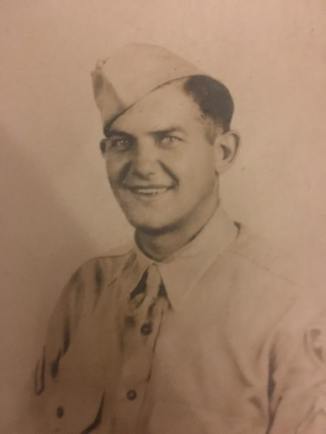
 A new feeling begins in preparations for Normandy, a trip that coalesced ages ago. For practical purposes you can say the planning began when you accepted the invitation to speak about Frederick Douglass in Paris. Arrangements continued when your husband’s daughter’s wedding date, bounced around the calendar by the British Army for which her fiancé works, finally settled on a date two weekends before the conference. Why return to the U.S. to teach a single class before taking off for Europe again? Why not just stay? You feel exceedingly extravagant, not a tiny bit guilty, and very much relieved.
When you realized that you would have the time, you thought that perhaps you should visit the D-Day beaches. Your mother’s father had been on the third wave. Long ago, before he died, you had interviewed him about his experience. A mortar had blown up behind him, exploding a tree and wounding him badly enough to evacuate him to an English hospital but not badly enough to return him home. The shell left a notch, the size of a fist, in the flesh of his back for the rest of his life. Shrapnel left in his body meant that he could never pass through metal detectors without incident. The two of you had talked once of going to the beaches together. Even then, you knew that he was too disabled to make the trip. Still, it was pretty to think of.
When you returned from the ICU visit — what is it now? a month ago? — you searched for the interview, which is around here somewhere, you are certain you saw it. You want to know exactly where your grandfather came ashore because you can’t remember. Was it Omaha? Or Utah? You can’t remember if he was wounded on the first day or second. You can’t remember if it was St. Lo or some other “Saint” place.
How can you not remember? He gave you this story, an experience that he had not fully told anyone for a long time, if at all. Did he tell your father? Your mother, his daughter? His favorite grandson, your brother? He told you. How did you forget? Where did the interview go? You did see the interview, right? It was in a file marked “Paw-paw’s genealogy” in a file right here. Where did you put it?
Although you know that the interview exists in the D-Day Museum archives in New Orleans, you want to weep that you do not have it, that it was just right here and now it is gone and you don’t know where. Like so many things these days, you want to preform a ritual, say magic words, do a card trick, anything that will alter this thing that just can not be real.
Your dad had wanted to visit the beaches at Normandy. They were on his “bucket list,” the one he had been checking off in the past few years. You were going to send him pictures and videos when you went, bring him a souvenir, send him a postcard. You had hoped they would make him feel better and speed his recovery.
Paw-paw is gone. The interview copy is gone. Your dad is gone.
You keep on planning. Some people hope this trip will cheer you up. You don’t expect that. You don’t really want to be cheered up. You don’t expect to enjoy the trip in the conventional sense of the word, either. This trip has become something more like a pilgrimage, although that is not really the correct word. You go there for the memory of them, as if the memory were a blanket that you wrap about you. Doing this is, for lack of better word, spiritual.
 The Wuthering Mind